Understanding the Risks, Causes, and Professional Restoration Solutions
Water damage is one of the most stressful, pervasive, and destructive issues a property owner can ever face. Whether it stems from a sudden pipe burst in the dead of winter, a slow, undetected leak beneath a kitchen sink, or severe weather flooding a basement, excess moisture acts as a silent ticking time bomb for your home or business. According to property insurance statistics, water damage accounts for nearly a quarter of all homeowner insurance claims.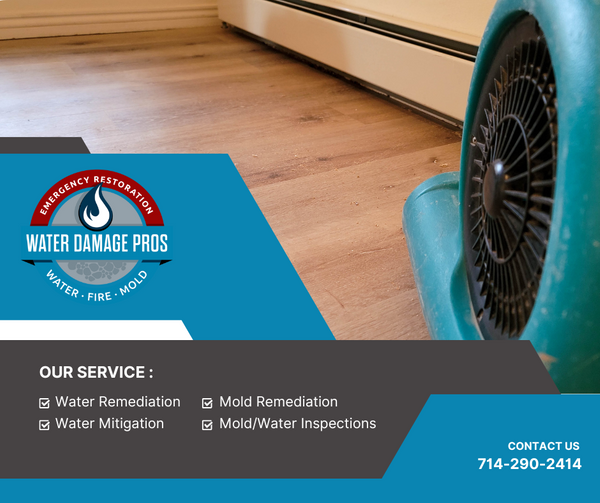
When disaster strikes, understanding the types of water damage, the science of structural drying, and the immense value of hiring water damage professionals can mean the difference between a minor inconvenience and a catastrophic financial loss.
1. Classifications of Water Damage
Not all water is created equal. When restoration professionals assess a site, they classify water damage into three distinct categories based on its source and contamination level. Recognizing these categories is critical for ensuring safety during cleanup.
Category 1: Clean Water
Clean water originates from a source that does not pose an immediate threat to humans or pets. Examples include broken supply lines, overflowing bathtubs or sinks, and rainwater. While it is the least hazardous form of water damage, it must still be addressed promptly. If clean water sits stagnant for too long, it interacts with building materials, dirt, and bacteria, quickly deteriorating into gray or black water.
Category 2: Gray Water
Gray water contains a significant level of chemical, biological, or physical contaminants and can cause illness if ingested or exposed to broken skin. Sources include washing machine overflows, dishwasher discharges, and toilet overflows containing no feces. This category requires rigorous cleaning, protective gear, and professional sanitization to halt bacterial growth.
Category 3: Black Water
Black water is grossly contaminated and highly dangerous. It contains pathogenic agents, toxic materials, and heavy organic waste. Sources include sewage backups, rising floodwaters from rivers or streams, and standing water that has mixed with fecal matter. Handling black water requires specialized personal protective equipment (PPE), containment procedures, and complete structural disinfection.
2. Common Causes of Water Damage
Water damage can sneak up on you from multiple angles. Knowing where vulnerabilities lie allows property owners to take preventative measures before a crisis occurs.
Plumbing Failures and Leaks
Plumbing issues are among the leading culprits behind residential water damage. A tiny, eighth-inch crack in a pipe can release hundreds of gallons of water a day, soaking subfloors and framing behind walls before it is ever noticed. Appliance failures—such as a leaking water heater, a ruptured washing machine hose, or a failing dishwasher seal—also release significant volumes of water. Routine inspections of hoses, fittings, and shut-off valves can prevent these expensive disasters.
Roof Leaks and Weather Events
Severe weather brings heavy rain, windstorms, and blizzards that compromise the building envelope. Aging or damaged roofs allow rainwater to track down rafters, saturating attic insulation and upper-story drywall. Similarly, flash floods and poor exterior drainage can pool water against foundation walls, forcing moisture through tiny cracks via hydrostatic pressure.
3. The Hidden Dangers of Delayed Restoration
When water floods a home, many property owners make the mistake of thinking that simply mopping up the visible puddles and placing a box fan in the room is enough. Unfortunately, water is fluid, mobile, and relentless—it follows the path of least resistance, traveling deep into building cavities.
Structural Degradation
Porous building materials like drywall, plywood, insulation, and framing lumber act like sponges. When soaked, they lose structural integrity. Wood begins to warp, swell, and eventually rot, while metal components corrode. If structural timbers remain damp for extended periods, the framework of the building can fail entirely, demanding extensive and costly reconstruction.
Mold Proliferation and Health Hazards
One of the most alarming consequences of untreated moisture is mold. Mold spores are naturally present in the air, but they require moisture, oxygen, and an organic food source to germinate. Given the right conditions, mold colonies can begin to colonize within 24 to 48 hours of a water event.
Once established, mold releases millions of spores into the indoor air. Inhaling these spores can trigger severe allergic reactions, asthma attacks, bronchitis, and chronic respiratory issues, particularly in vulnerable populations such as children, the elderly, and immunocompromised individuals.
4. Why Hire Water Damage Professionals?
While a DIY approach might seem cost-effective initially, water damage restoration is a complex, highly technical field rooted in building science. Professional restoration technicians bring several essential advantages to the table:
Advanced Extraction and Drying Technology
Everyday household fans and consumer-grade wet/dry vacuums cannot reach water trapped deep beneath subfloors, inside wall cavities, or saturated in concrete slabs. Restoration professionals utilize industrial-grade equipment, including truck-mounted water extractors, high-velocity air movers, and heavy-duty commercial dehumidifiers. These tools alter the vapor pressure and relative humidity of the air, pulling moisture directly out of structural materials.
Moisture Mapping and Scientific Monitoring
Professionals do not guess whether a room is dry; they measure it. Using thermal imaging cameras, non-invasive moisture meters, and hygrometers, technicians map out moisture patterns hidden behind walls and beneath flooring. They monitor daily evaporation rates until structural materials return to their normal dry standard, preventing secondary damage.
Insurance Claim Assistance and Documentation
Navigating property insurance claims can be an administrative nightmare. Restoration companies maintain deep familiarity with insurance protocols and provide comprehensive documentation. They compile detailed moisture logs, photographic evidence, and itemized scope-of-work estimates, helping to streamline the claims process and ensure policyholders receive maximum coverage.
Conclusion
Water damage is a disruptive, high-stakes emergency that threatens both the structural integrity of your property and the health of its occupants. Whether it originates from a sudden burst pipe or a slow, hidden roof leak, time is always of the essence. By recognizing the categories of water, prioritizing swift action, and relying on professional restoration experts equipped with advanced drying science, you can salvage your property, prevent dangerous mold growth, and restore peace of mind

Comments
Post a Comment